Luxor Tour from Safaga Port
Overview
Luxor Tour from Safaga, We offer tours to visit Luxor from Safaga Port, Here it is a wonderful tour to visit Karnak, Valley of kings, Hatshepsut and Colossi of Memnon with your guide who will accompany you during our Safaga Port Trips to Luxor.
Itinerary
Luxor Tour from Safaga :
Our representative will be waiting for your ship docking at Safaga Port, Pick up will be once you are out of the ship you will find our REP holding a board reflecting your name. Our modern air-conditined cars and buses with drivers will be ready near the ship in Safaga port to depart for this very rewarding tour and drive through the desert to Luxor. Luxor has often been called the worlds greatest open air museum, as indeed it is and much more. In our Luxor Tour from Safaga you will visit the following sites with your professional Egyptologist tour guide:
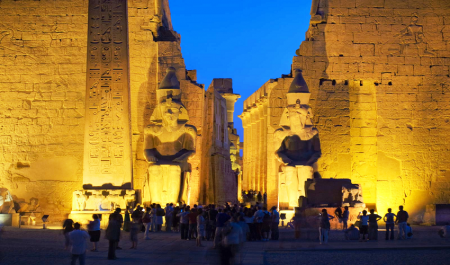
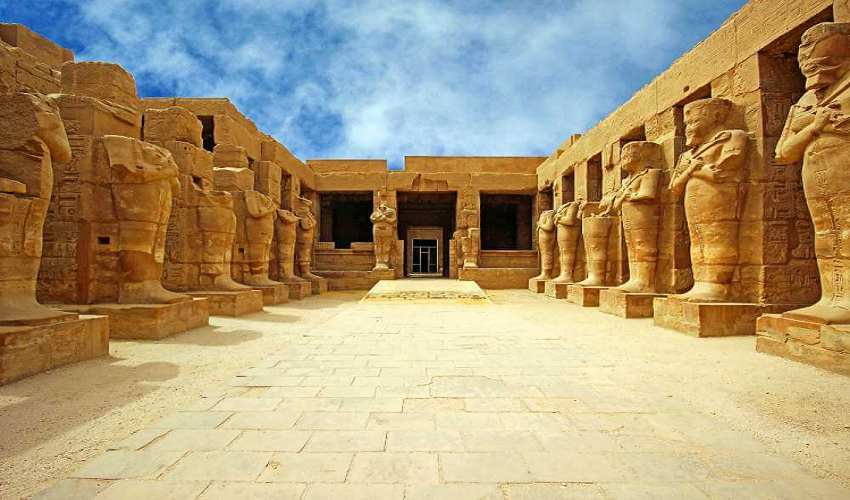
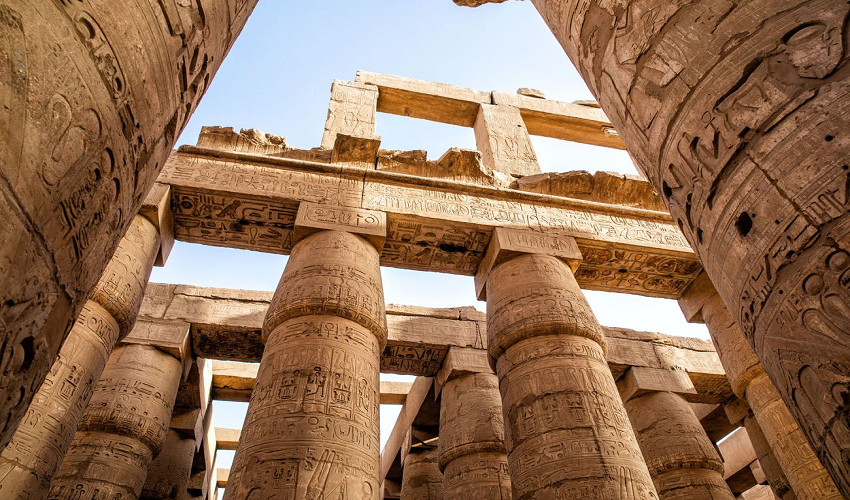
Karnak Temple:
Karnak was known as Ipet-isut, 'The most venerated place. Work began on this vast temple complex in the 16th century BC with construction continuing over the next 2,000 years as each successive pharaoh added to the site’s epic scale. The temple complex of Karnak was the most important place of worship in ancient Egypt. Lunch meal will be served at five stars restaurant in Luxor or in a local restaurant as per your desire. Then cross to the Nile to the west bank.
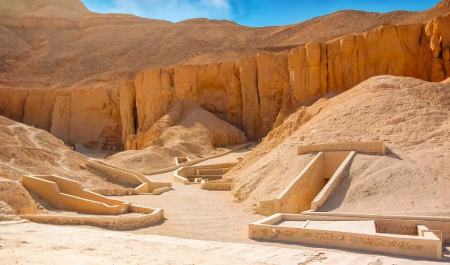
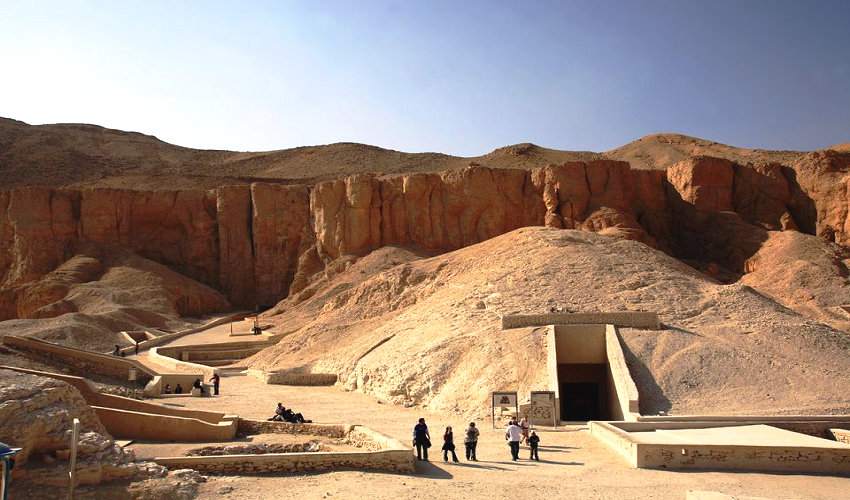
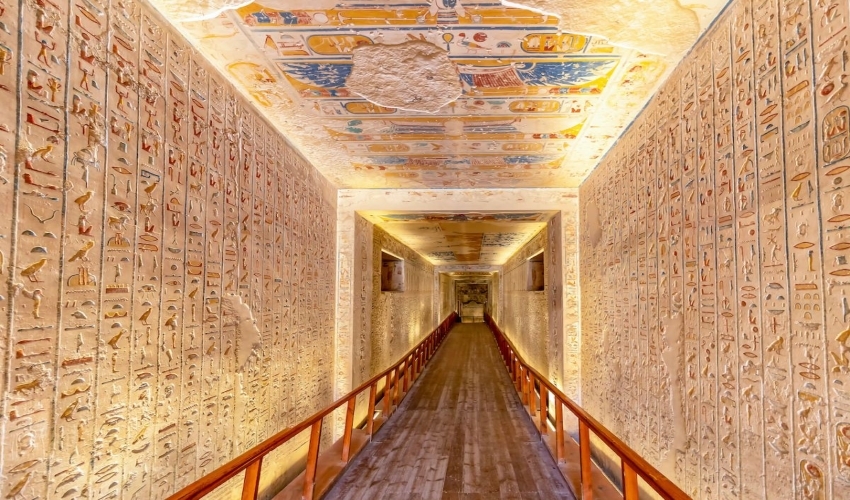
Valley of the Kings Tour:
The Second step in our Luxor Tour from Safaga will be Valley of the Kings. This is where the pharaoh's were buried and hoped to meet their Gods in the afterlife. The Valley of the Kings contains many of the tombs of pharaohs from the New Kingdom includingTutankhamun's tomb discovered in the 1920's almost untouched is perhaps the best known to most of us non-archaeologists.
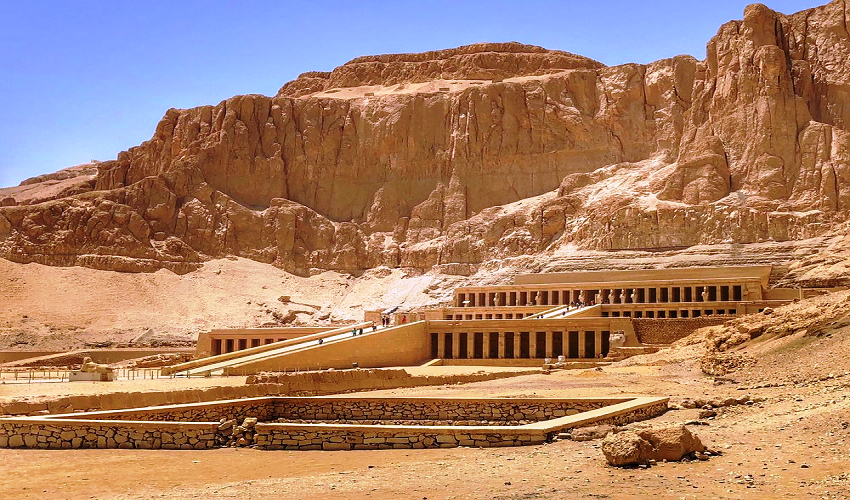
Hatshipsut Temple
The third step in our Luxor Tour from Safaga Port will be Hatshepsut temple. The Mortuary Temple of Queen Hatshepsut is located beneath the cliffs at Deir el Bahari in the west bank of the Nile near the Valley of the Kings. Designed by the architect Senemut, the mortuary temple is dedicated to the sun god Amon-Ra.
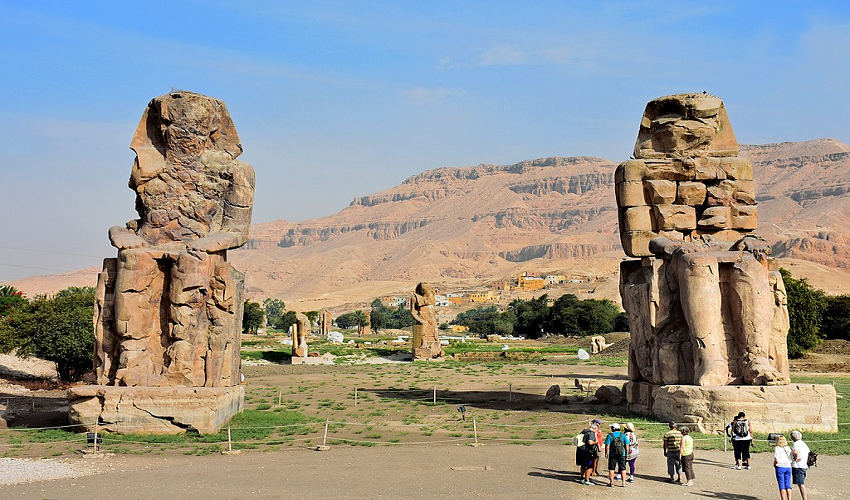
The Colossi of Memnon
The last step in our Luxor Tour from Safaga Port will be colossi of Memnon. Two giant statues make up the Colossi of Memnon. Most visitors get a glimpse of them on their way to the Valley of the Kings but it is worth a stop to see them up close. Before leaving Luxor for Safaga port you will stop for a shopping opportunity at the famous bazaars where you may wish to pick up a few good quality souvenirs. Then you will be transfered to your ship in Safaga Port.
Included
Luxor Tour from Safaga port includes:
- Pick up and drop off services from your Ship in Safaga Port
- Admission fees to the sightseeing in Luxor
- Lunch during Luxor tour in local restaurant in Luxor
- English speaking tour guide during Luxor trip
- All transfer by air-conditioned vehicle in Safaga Port and Luxor
- Assistance by our staff in pick up and drop off at Safaga Port
Excluded
Luxor Tour from Safaga port excludes:
Personal Expenses during Luxor Tour
Optional tours during Luxor Tour from Safaga Port
Personal Expenses during Luxor Tour
Optional tours during Luxor Tour from Safaga Port
Notes
All prices for our special tour to Luxor from Safaga are quoted in dollars.
What to bring during Luxor tour from Safaga:
Passport valid for 6 months
Comfortable shoes
Cotton clothes in summer
Warm clothes in winter
Sun block
Sunglasses
Hat Photo/Video Camera